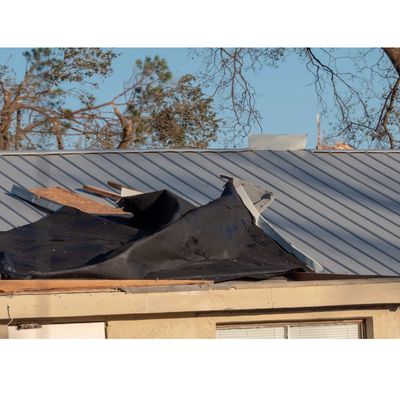
Maximizing Spray Foam Roofing Uplift Resistance
A spray foam roofing system is known for its fully-adhered and seamless monolithic layer, making it exceptionally effective for combatting high winds that can lead to severe roof damage, particularly during natural disasters like hurricanes and tornadoes. One of the standout spray foam roofing benefits is its enhanced uplift resistance. This roofing solution is firmly attached to the roof deck without the use of fasteners, which means there are no weak points susceptible to wind uplift. The seamless nature of the system significantly hinders wind penetration, providing robust wind damage prevention roofing. Additionally, the spray-applied foam adheres to and seals any protrusions or unique features of the roof, such as pipes and ledges, integrating them into the overall system and reinforcing its structure against wind uplift. Therefore, homeowners and business owners in areas prone to high winds should seriously consider installing a spray foam roof.
Research has shown that SPF roofing systems possess exceptional wind uplift resistance. Observations during hurricanes such as Allen, Hugo, and Andrew prompted tests at Underwriters Laboratories and FM Global, revealing that SPF's wind uplift resistance often exceeds their testing equipment's limits. Notably, SPF roofs applied over built-up roofs (BUR) and metal also demonstrated increased wind uplift resistance. Similar findings were supported by FM’s tests on concrete, metal, and wood structures. Esteemed organizations, including the National Institute of Standards Technology (NIST), the Roofing Industry Committee on Weather Issues (RICOWI), and the Spray Polyurethane Foam Alliance (SPFA), have all documented the superior protective capabilities of spray foam roofing against severe weather, including tornadoes and hurricanes.
Underwriters Laboratories reported that when spray foam is applied to steel and plywood assemblies, these structures exhibited uplift load resistance that surpassed testing equipment limits. “The application of sprayed foam to steel deck and plywood deck demonstrated uplift load resistance up to the capacity of the test equipment to develop load (160-165 psf) without any sign of elimination or damage to the foam.” – Underwriters Laboratories, Inc.
NIST published research focusing on the impacts of hurricanes Katrina and Rita, concluding that SPF roofing systems were the only type that performed “extremely well” amidst these disasters. The report noted how SPF roofing successfully withstood the intense winds of Hurricane Katrina without tearing off or damaging any flashings.
(Performance of Physical Structures in Hurricane Katrina and Hurricane Rita: A Reconnaissance Report – June 2006)